
Curious about the history of Anna Maria Island? This is an easy place to explore the past. You do not need to spend a full day in one museum or drive far off the island. A lot of the story is right here in places you can visit in a couple of hours, from the local museum on Pine Avenue to the old jail, Bridge Street, and some of the island’s oldest landmarks. With America 250 coming up in 2026, it is also a good time to look a little closer at how this small island became what it is today!
Brief History of Anna Maria Island
The island itself has been here far longer than the homes and shops people know today. In fact, the island formed about 25,000 years ago. Long before there were roads, piers, or vacation rentals, the area was used by Native people who fished and lived off the surrounding waters. The first permanent homesteader most local histories point to is George Emerson Bean, who arrived in 1893. His name still lives on at Bean Point.
Getting to the island used to be much harder than it is now. Early residents relied on boats, and later bridges changed how people moved on and off the island. Once access improved, more homes, businesses, and visitors followed. That is part of what makes Anna Maria Island history interesting; it’s spread across the island, tied to settlement, transportation, preservation, and daily life.

Anna Maria Island Historical Society Museum
The Anna Maria Island Historical Society Museum gives the clearest overview of Anna Maria Island history. It’s small, easy to walk through, and full of rich history. You can get the island timeline without feeling like you are reading walls of text for an hour. The museum covers the early settlement years, the development of the island, and some of the odd details that make local history so unique.
The building itself is also part of the story. It was built in 1920 as an icehouse and later used in several other ways before becoming a museum in 1992. Admission is free, which makes it a very easy stop to add to the day.
- Location: 402 Pine Avenue, Anna Maria, FL 34216
- Phone: (941) 778-0492
- Hours: 10 AM to 1 PM
- Exhibit Gallery
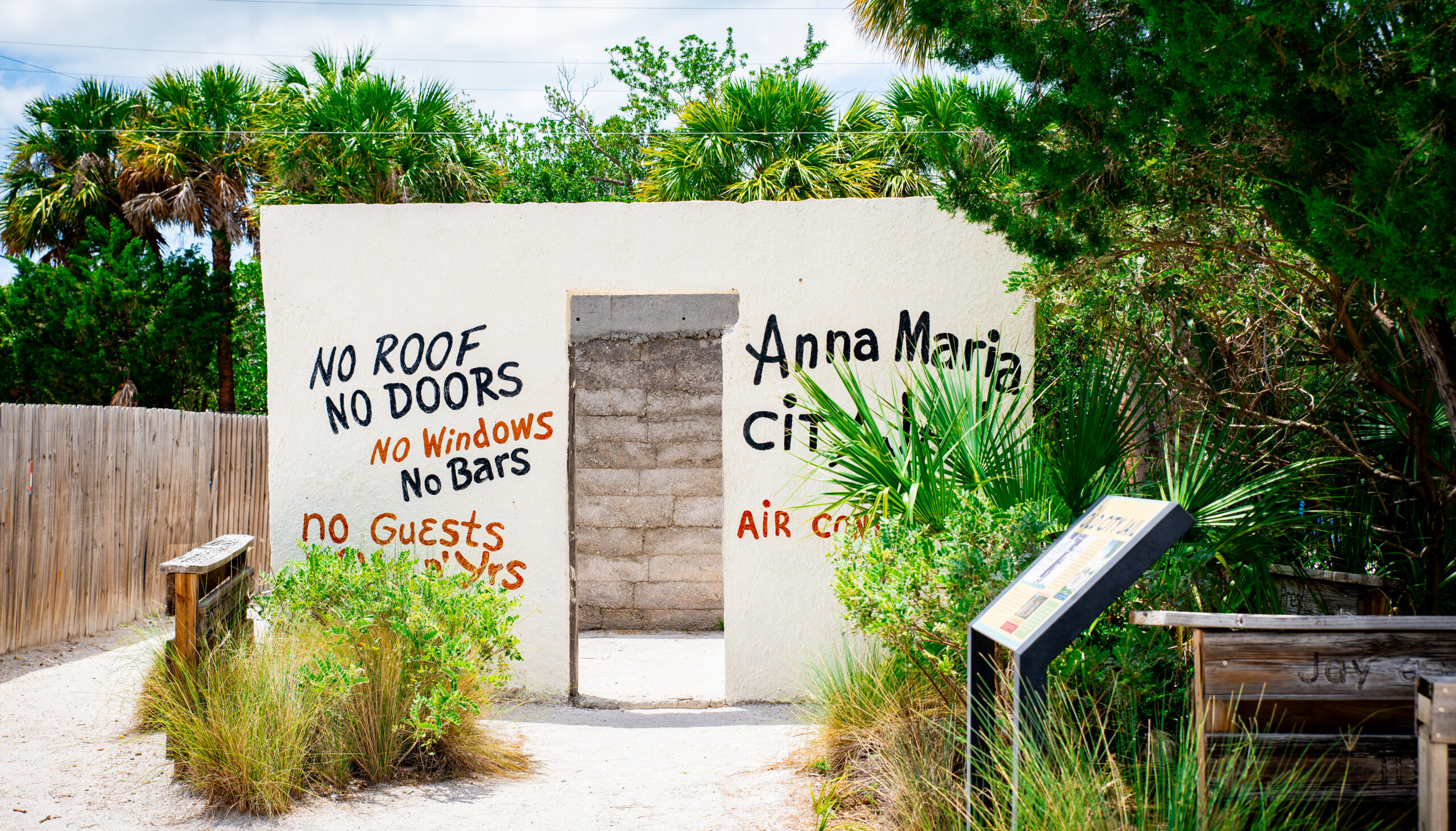
Old City Jail
The Old City Jail was built in 1927 and used until the 1940s. It did not have windows, which meant mosquitoes were part of the punishment. That detail alone tells you a lot about how rough-around-the-edges island life could be in those years. The building is a piece of local history people still talk about, and it gives the Anna Maria Island Historical Society Museum grounds personality beyond its standard exhibits.
- Location: 402 Pine Avenue, Anna Maria, FL 34216
Belle Haven
Belle Haven is quieter than the jail, but it tells a more personal story about the island. It started as a fish packing plant, later became a bait shop and rental cottage, and then ended up in the bay in 1926 after its original pilings gave way. After that, it was bought, moved, used as a home, and eventually restored by the Historical Society.
Belle Haven shows how island buildings were reused and adapted. It is another stop that works best as part of the Anna Maria Island Historical Society Museum grounds rather than its own separate outing.
- Location: 404 Pine Ave, Anna Maria, FL 34216
Historic Green Village
Instead of focusing on artifacts or exhibits, Historic Green Village shows what preservation can look like when older buildings are reused in a more modern way. The village sits on Pine Avenue and includes restored historic cottages as part of a walkable area with shops and businesses.
The village is known for preserving older structures with sustainable design. If you are already on Pine Avenue to visit the museum, it is easy to keep walking and include this area without making it feel like a separate stop.
- Location: 501-505 Pine Ave, Anna Maria, FL 34216
Bean Point
Bean Point matters because it connects directly to the island’s earliest settler story. George Emerson Bean homesteaded a large tract of land here, and the north end still carries his name. There is not a museum-style experience waiting for you at Bean Point, which is part of why it feels different from the other stops. What you get here is more context than interpretation. Standing at the north end of the island makes it easier to picture how isolated the island once was and why water access shaped everything from daily life to development.
- Location: 793 N Shore Dr, Anna Maria, FL 34216
Bridge Street Pier
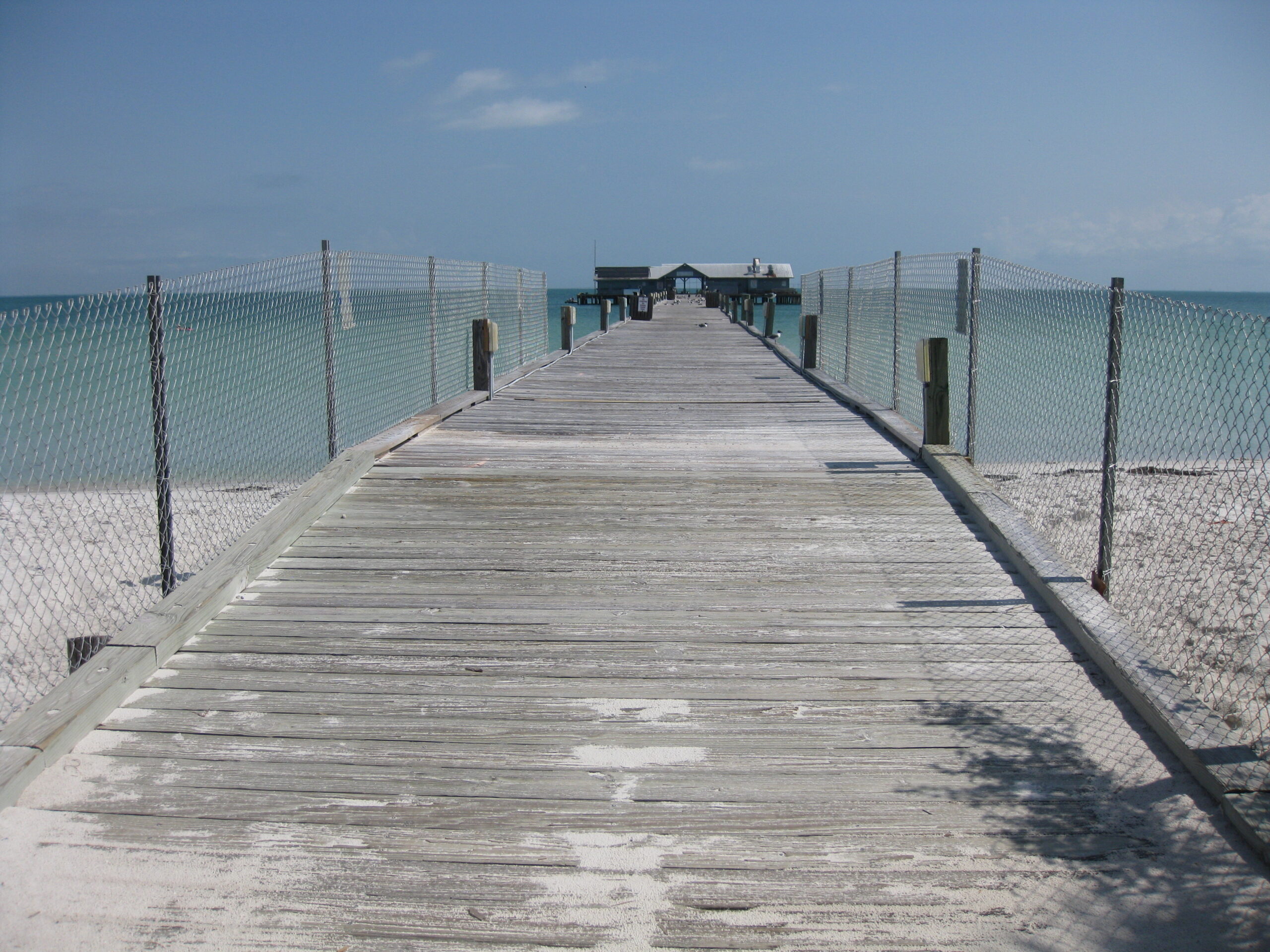
Bridge Street Pier helps explain how Anna Maria Island changed once mainland access improved. Before the 1920s, boats were the main connection. The old bridge changed that, and when it was replaced in 1967, part of it remained and became the pier people still use today.
That history is why the pier is more than a place to walk, fish, or grab food nearby. It is tied to the island’s transportation story and to how Bradenton Beach developed around that access point. If you are already spending time on Bridge Street, it is worth knowing you are standing in one of the island’s most important historic areas.
- Location: 200 Bridge Street, Bradenton Beach, FL 34217
Reserve Your Vacation Today with Anna Maria Life Vacation Rentals
If you are interested in the history of Anna Maria Island and the island’s older landmarks, it helps to stay somewhere that keeps all of this accessible. Book your rental with Anna Maria Life Vacation Rentals today!